Events in October 2019
| MonMonday | TueTuesday | WedWednesday | ThuThursday | FriFriday | SatSaturday | SunSunday |
|---|---|---|---|---|---|---|
September 30, 2019
|
October 1, 2019
|
October 2, 2019(1 event) All day: GANDHI JAYANTI All day GANDHI JAYANTI Gandhi Jayanti is marked by prayer services and tributes all over India, including at Gandhi's memorial in New Delhi where he was cremated. Popular activities include prayer meetings, commemorative ceremonies in different cities by colleges, local government institutions and socio-political institutions. Painting and essay competitions are conducted and best awards are granted for projects in schools and the community encouraging a non-violent way of life as well as celebrating Gandhi's effort in the Indian independence movement.[2] Gandhi's favourite bhajan (Hindu devotional song), Raghupati Raghav Raja Ram, is usually sung in his memory.[3] Statues of Mahatma Gandhi throughout the country are decorated with flowers and garlands, and some people avoid drinking alcohol or eating meat on the day.[4] Public buildings, banks and post offices are closed.[4] |
October 3, 2019
|
October 4, 2019
|
October 5, 2019
|
October 6, 2019
|
October 7, 2019
|
October 8, 2019(1 event) All day: VIJAYADASHAMI All day
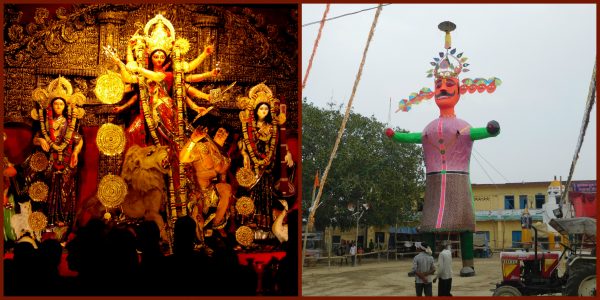
Vijayadashami is observed for different reasons and celebrated differently in various parts of South Asia.[7][1][8][4] In the southern, eastern and northeastern states of India, Vijayadashami marks the end of Durga Puja, remembering goddess Durga's victory over the buffalo demon Mahishasura to restore and protect dharma.[4][9] In the northern and western states, the festival is synonymously called Dussehra (also spelled Dasara, Dashahara). In these regions, it marks the end of "Ramlila" and remembers God Rama's victory over the Ravana. On the very same occasion; Arjuna alone decimated 1 lakh+ soldiers & defeated all Kuru warriors including Bhishma, Drona, Ashwatthama, Karna, Kripa etc.- there by significantly quoting the natural example of victory of good (Dharma) over evil (Adharma). Alternatively it marks a reverence for one of the aspects of goddess Devi such as Durga or Saraswati. |
October 9, 2019
|
October 10, 2019
|
October 11, 2019
|
October 12, 2019
|
October 13, 2019
|
October 14, 2019
|
October 15, 2019
|
October 16, 2019
|
October 17, 2019
|
October 18, 2019
|
October 19, 2019
|
October 20, 2019
|
October 21, 2019
|
October 22, 2019
|
October 23, 2019
|
October 24, 2019(1 event) All day: DIWALI VACATION (Approx) All day 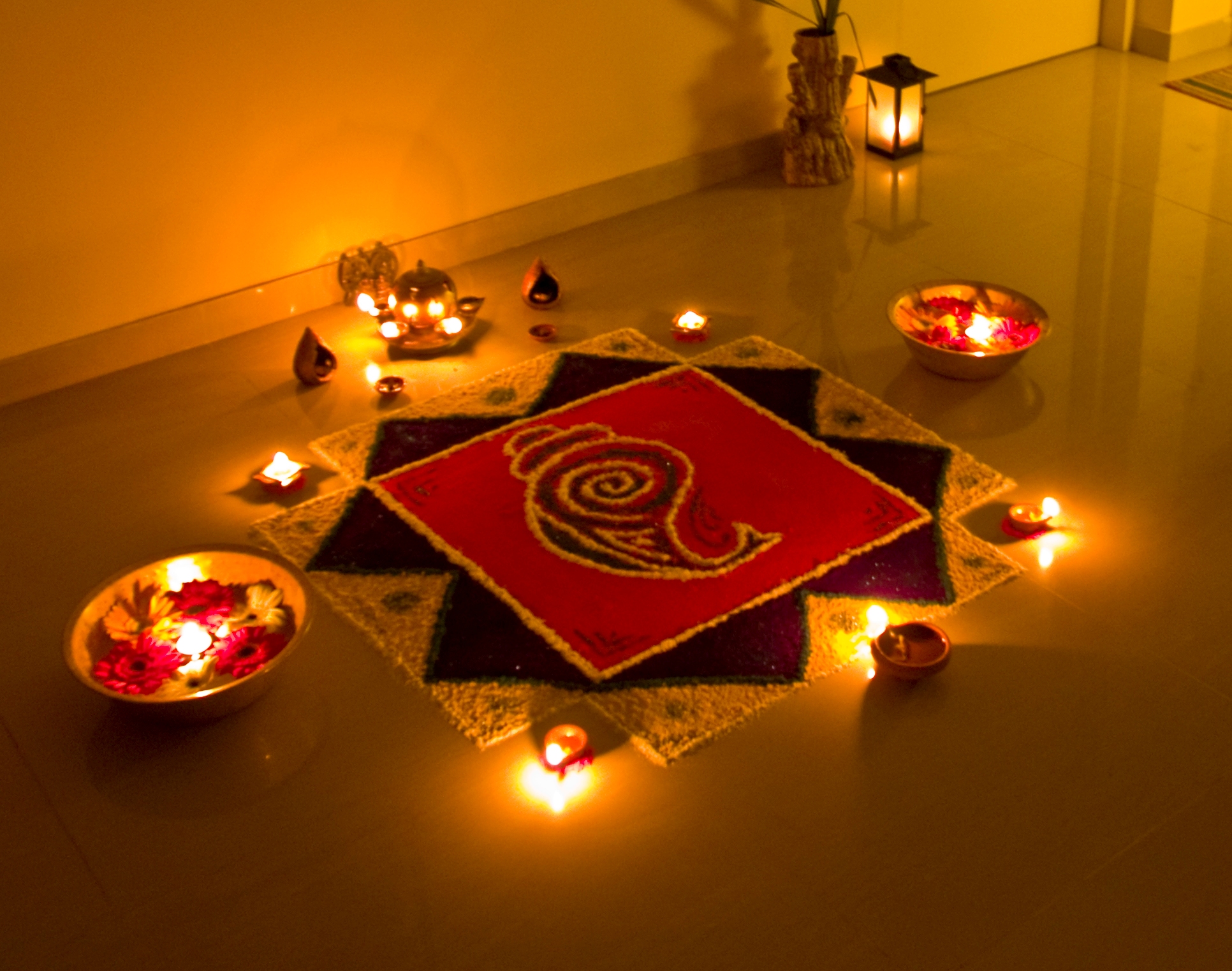
DIWALI King Harsha refers to Deepavali, in the 7th century Sanskrit play Nagananda, as Dīpapratipadotsava (dīpa = light, pratipadā = first day, utsava = festival), where lamps were lit and newly engaged brides and grooms received gifts.[50][51] Rajasekhara referred to Deepavali as Dipamalika in his 9th century Kavyamimamsa, wherein he mentions the tradition of homes being whitewashed and oil lamps decorated homes, streets and markets in the night.[50] Diwali was also described by numerous travellers from outside India. In his 11th century memoir on India, the Persian traveller and historian Al Biruni wrote of Deepavali being celebrated by Hindus on the day of the New Moon in the month of Kartika.[52] The Venetian merchant and traveller Niccolò de' Conti visited India in the early 15th-century and wrote in his memoir, "on another of these festivals they fix up within their temples, and on the outside of the roofs, an innumerable number of oil lamps... which are kept burning day and night" and that the families would gather, "clothe themselves in new garments", sing, dance and feast.[53][54] The 16th-century Portuguese traveller Domingo Paes wrote of his visit to the Hindu Vijayanagara Empire, where Dipavali was celebrated in October with householders illuminating their homes, and their temples, with lamps.[54] Islamic historians of the Delhi Sultanate and the Mughal Empire era also mentioned Diwali and other Hindu festivals. A few, notably the Mughal emperor Akbar, welcomed and participated in the festivities,[55][56] whereas others banned such festivals as Diwali and Holi, as Aurangzeb did in 1665.[57][58][note 4][note 5] Publications from the British colonial era also made mention of Diwali, such as the note on Hindu festivals published in 1799 by Sir William Jones, a philologist known for his early observations on Sanskrit and Indo-European languages.[61] In his paper on The Lunar Year of the Hindus, Jones, then based in Bengal, noted four of the five days of Diwali in the autumn months of Aswina-Cartica [sic] as the following: Bhutachaturdasi Yamaterpanam (2nd day), Lacshmipuja dipanwita (the day of Diwali), Dyuta pratipat Belipuja (4th day), and Bhratri dwitiya (5th day). The Lacshmipuja dipanwita, remarked Jones, was a "great festival at night, in honor of Lakshmi, with illuminations on trees and houses".[61][note 6] |
October 25, 2019(1 event) All day: DIWALI VACATION (Approx) All day
DIWALI King Harsha refers to Deepavali, in the 7th century Sanskrit play Nagananda, as Dīpapratipadotsava (dīpa = light, pratipadā = first day, utsava = festival), where lamps were lit and newly engaged brides and grooms received gifts.[50][51] Rajasekhara referred to Deepavali as Dipamalika in his 9th century Kavyamimamsa, wherein he mentions the tradition of homes being whitewashed and oil lamps decorated homes, streets and markets in the night.[50] Diwali was also described by numerous travellers from outside India. In his 11th century memoir on India, the Persian traveller and historian Al Biruni wrote of Deepavali being celebrated by Hindus on the day of the New Moon in the month of Kartika.[52] The Venetian merchant and traveller Niccolò de' Conti visited India in the early 15th-century and wrote in his memoir, "on another of these festivals they fix up within their temples, and on the outside of the roofs, an innumerable number of oil lamps... which are kept burning day and night" and that the families would gather, "clothe themselves in new garments", sing, dance and feast.[53][54] The 16th-century Portuguese traveller Domingo Paes wrote of his visit to the Hindu Vijayanagara Empire, where Dipavali was celebrated in October with householders illuminating their homes, and their temples, with lamps.[54] Islamic historians of the Delhi Sultanate and the Mughal Empire era also mentioned Diwali and other Hindu festivals. A few, notably the Mughal emperor Akbar, welcomed and participated in the festivities,[55][56] whereas others banned such festivals as Diwali and Holi, as Aurangzeb did in 1665.[57][58][note 4][note 5] Publications from the British colonial era also made mention of Diwali, such as the note on Hindu festivals published in 1799 by Sir William Jones, a philologist known for his early observations on Sanskrit and Indo-European languages.[61] In his paper on The Lunar Year of the Hindus, Jones, then based in Bengal, noted four of the five days of Diwali in the autumn months of Aswina-Cartica [sic] as the following: Bhutachaturdasi Yamaterpanam (2nd day), Lacshmipuja dipanwita (the day of Diwali), Dyuta pratipat Belipuja (4th day), and Bhratri dwitiya (5th day). The Lacshmipuja dipanwita, remarked Jones, was a "great festival at night, in honor of Lakshmi, with illuminations on trees and houses".[61][note 6] |
October 26, 2019(1 event) All day: DIWALI VACATION (Approx) All day
DIWALI King Harsha refers to Deepavali, in the 7th century Sanskrit play Nagananda, as Dīpapratipadotsava (dīpa = light, pratipadā = first day, utsava = festival), where lamps were lit and newly engaged brides and grooms received gifts.[50][51] Rajasekhara referred to Deepavali as Dipamalika in his 9th century Kavyamimamsa, wherein he mentions the tradition of homes being whitewashed and oil lamps decorated homes, streets and markets in the night.[50] Diwali was also described by numerous travellers from outside India. In his 11th century memoir on India, the Persian traveller and historian Al Biruni wrote of Deepavali being celebrated by Hindus on the day of the New Moon in the month of Kartika.[52] The Venetian merchant and traveller Niccolò de' Conti visited India in the early 15th-century and wrote in his memoir, "on another of these festivals they fix up within their temples, and on the outside of the roofs, an innumerable number of oil lamps... which are kept burning day and night" and that the families would gather, "clothe themselves in new garments", sing, dance and feast.[53][54] The 16th-century Portuguese traveller Domingo Paes wrote of his visit to the Hindu Vijayanagara Empire, where Dipavali was celebrated in October with householders illuminating their homes, and their temples, with lamps.[54] Islamic historians of the Delhi Sultanate and the Mughal Empire era also mentioned Diwali and other Hindu festivals. A few, notably the Mughal emperor Akbar, welcomed and participated in the festivities,[55][56] whereas others banned such festivals as Diwali and Holi, as Aurangzeb did in 1665.[57][58][note 4][note 5] Publications from the British colonial era also made mention of Diwali, such as the note on Hindu festivals published in 1799 by Sir William Jones, a philologist known for his early observations on Sanskrit and Indo-European languages.[61] In his paper on The Lunar Year of the Hindus, Jones, then based in Bengal, noted four of the five days of Diwali in the autumn months of Aswina-Cartica [sic] as the following: Bhutachaturdasi Yamaterpanam (2nd day), Lacshmipuja dipanwita (the day of Diwali), Dyuta pratipat Belipuja (4th day), and Bhratri dwitiya (5th day). The Lacshmipuja dipanwita, remarked Jones, was a "great festival at night, in honor of Lakshmi, with illuminations on trees and houses".[61][note 6] |
October 27, 2019(1 event) All day: DIWALI VACATION (Approx) All day
DIWALI King Harsha refers to Deepavali, in the 7th century Sanskrit play Nagananda, as Dīpapratipadotsava (dīpa = light, pratipadā = first day, utsava = festival), where lamps were lit and newly engaged brides and grooms received gifts.[50][51] Rajasekhara referred to Deepavali as Dipamalika in his 9th century Kavyamimamsa, wherein he mentions the tradition of homes being whitewashed and oil lamps decorated homes, streets and markets in the night.[50] Diwali was also described by numerous travellers from outside India. In his 11th century memoir on India, the Persian traveller and historian Al Biruni wrote of Deepavali being celebrated by Hindus on the day of the New Moon in the month of Kartika.[52] The Venetian merchant and traveller Niccolò de' Conti visited India in the early 15th-century and wrote in his memoir, "on another of these festivals they fix up within their temples, and on the outside of the roofs, an innumerable number of oil lamps... which are kept burning day and night" and that the families would gather, "clothe themselves in new garments", sing, dance and feast.[53][54] The 16th-century Portuguese traveller Domingo Paes wrote of his visit to the Hindu Vijayanagara Empire, where Dipavali was celebrated in October with householders illuminating their homes, and their temples, with lamps.[54] Islamic historians of the Delhi Sultanate and the Mughal Empire era also mentioned Diwali and other Hindu festivals. A few, notably the Mughal emperor Akbar, welcomed and participated in the festivities,[55][56] whereas others banned such festivals as Diwali and Holi, as Aurangzeb did in 1665.[57][58][note 4][note 5] Publications from the British colonial era also made mention of Diwali, such as the note on Hindu festivals published in 1799 by Sir William Jones, a philologist known for his early observations on Sanskrit and Indo-European languages.[61] In his paper on The Lunar Year of the Hindus, Jones, then based in Bengal, noted four of the five days of Diwali in the autumn months of Aswina-Cartica [sic] as the following: Bhutachaturdasi Yamaterpanam (2nd day), Lacshmipuja dipanwita (the day of Diwali), Dyuta pratipat Belipuja (4th day), and Bhratri dwitiya (5th day). The Lacshmipuja dipanwita, remarked Jones, was a "great festival at night, in honor of Lakshmi, with illuminations on trees and houses".[61][note 6] |
October 28, 2019(1 event) All day: DIWALI VACATION (Approx) All day
DIWALI King Harsha refers to Deepavali, in the 7th century Sanskrit play Nagananda, as Dīpapratipadotsava (dīpa = light, pratipadā = first day, utsava = festival), where lamps were lit and newly engaged brides and grooms received gifts.[50][51] Rajasekhara referred to Deepavali as Dipamalika in his 9th century Kavyamimamsa, wherein he mentions the tradition of homes being whitewashed and oil lamps decorated homes, streets and markets in the night.[50] Diwali was also described by numerous travellers from outside India. In his 11th century memoir on India, the Persian traveller and historian Al Biruni wrote of Deepavali being celebrated by Hindus on the day of the New Moon in the month of Kartika.[52] The Venetian merchant and traveller Niccolò de' Conti visited India in the early 15th-century and wrote in his memoir, "on another of these festivals they fix up within their temples, and on the outside of the roofs, an innumerable number of oil lamps... which are kept burning day and night" and that the families would gather, "clothe themselves in new garments", sing, dance and feast.[53][54] The 16th-century Portuguese traveller Domingo Paes wrote of his visit to the Hindu Vijayanagara Empire, where Dipavali was celebrated in October with householders illuminating their homes, and their temples, with lamps.[54] Islamic historians of the Delhi Sultanate and the Mughal Empire era also mentioned Diwali and other Hindu festivals. A few, notably the Mughal emperor Akbar, welcomed and participated in the festivities,[55][56] whereas others banned such festivals as Diwali and Holi, as Aurangzeb did in 1665.[57][58][note 4][note 5] Publications from the British colonial era also made mention of Diwali, such as the note on Hindu festivals published in 1799 by Sir William Jones, a philologist known for his early observations on Sanskrit and Indo-European languages.[61] In his paper on The Lunar Year of the Hindus, Jones, then based in Bengal, noted four of the five days of Diwali in the autumn months of Aswina-Cartica [sic] as the following: Bhutachaturdasi Yamaterpanam (2nd day), Lacshmipuja dipanwita (the day of Diwali), Dyuta pratipat Belipuja (4th day), and Bhratri dwitiya (5th day). The Lacshmipuja dipanwita, remarked Jones, was a "great festival at night, in honor of Lakshmi, with illuminations on trees and houses".[61][note 6] |
October 29, 2019(1 event) All day: DIWALI VACATION (Approx) All day
DIWALI King Harsha refers to Deepavali, in the 7th century Sanskrit play Nagananda, as Dīpapratipadotsava (dīpa = light, pratipadā = first day, utsava = festival), where lamps were lit and newly engaged brides and grooms received gifts.[50][51] Rajasekhara referred to Deepavali as Dipamalika in his 9th century Kavyamimamsa, wherein he mentions the tradition of homes being whitewashed and oil lamps decorated homes, streets and markets in the night.[50] Diwali was also described by numerous travellers from outside India. In his 11th century memoir on India, the Persian traveller and historian Al Biruni wrote of Deepavali being celebrated by Hindus on the day of the New Moon in the month of Kartika.[52] The Venetian merchant and traveller Niccolò de' Conti visited India in the early 15th-century and wrote in his memoir, "on another of these festivals they fix up within their temples, and on the outside of the roofs, an innumerable number of oil lamps... which are kept burning day and night" and that the families would gather, "clothe themselves in new garments", sing, dance and feast.[53][54] The 16th-century Portuguese traveller Domingo Paes wrote of his visit to the Hindu Vijayanagara Empire, where Dipavali was celebrated in October with householders illuminating their homes, and their temples, with lamps.[54] Islamic historians of the Delhi Sultanate and the Mughal Empire era also mentioned Diwali and other Hindu festivals. A few, notably the Mughal emperor Akbar, welcomed and participated in the festivities,[55][56] whereas others banned such festivals as Diwali and Holi, as Aurangzeb did in 1665.[57][58][note 4][note 5] Publications from the British colonial era also made mention of Diwali, such as the note on Hindu festivals published in 1799 by Sir William Jones, a philologist known for his early observations on Sanskrit and Indo-European languages.[61] In his paper on The Lunar Year of the Hindus, Jones, then based in Bengal, noted four of the five days of Diwali in the autumn months of Aswina-Cartica [sic] as the following: Bhutachaturdasi Yamaterpanam (2nd day), Lacshmipuja dipanwita (the day of Diwali), Dyuta pratipat Belipuja (4th day), and Bhratri dwitiya (5th day). The Lacshmipuja dipanwita, remarked Jones, was a "great festival at night, in honor of Lakshmi, with illuminations on trees and houses".[61][note 6] |
October 30, 2019(1 event) All day: DIWALI VACATION (Approx) All day
DIWALI King Harsha refers to Deepavali, in the 7th century Sanskrit play Nagananda, as Dīpapratipadotsava (dīpa = light, pratipadā = first day, utsava = festival), where lamps were lit and newly engaged brides and grooms received gifts.[50][51] Rajasekhara referred to Deepavali as Dipamalika in his 9th century Kavyamimamsa, wherein he mentions the tradition of homes being whitewashed and oil lamps decorated homes, streets and markets in the night.[50] Diwali was also described by numerous travellers from outside India. In his 11th century memoir on India, the Persian traveller and historian Al Biruni wrote of Deepavali being celebrated by Hindus on the day of the New Moon in the month of Kartika.[52] The Venetian merchant and traveller Niccolò de' Conti visited India in the early 15th-century and wrote in his memoir, "on another of these festivals they fix up within their temples, and on the outside of the roofs, an innumerable number of oil lamps... which are kept burning day and night" and that the families would gather, "clothe themselves in new garments", sing, dance and feast.[53][54] The 16th-century Portuguese traveller Domingo Paes wrote of his visit to the Hindu Vijayanagara Empire, where Dipavali was celebrated in October with householders illuminating their homes, and their temples, with lamps.[54] Islamic historians of the Delhi Sultanate and the Mughal Empire era also mentioned Diwali and other Hindu festivals. A few, notably the Mughal emperor Akbar, welcomed and participated in the festivities,[55][56] whereas others banned such festivals as Diwali and Holi, as Aurangzeb did in 1665.[57][58][note 4][note 5] Publications from the British colonial era also made mention of Diwali, such as the note on Hindu festivals published in 1799 by Sir William Jones, a philologist known for his early observations on Sanskrit and Indo-European languages.[61] In his paper on The Lunar Year of the Hindus, Jones, then based in Bengal, noted four of the five days of Diwali in the autumn months of Aswina-Cartica [sic] as the following: Bhutachaturdasi Yamaterpanam (2nd day), Lacshmipuja dipanwita (the day of Diwali), Dyuta pratipat Belipuja (4th day), and Bhratri dwitiya (5th day). The Lacshmipuja dipanwita, remarked Jones, was a "great festival at night, in honor of Lakshmi, with illuminations on trees and houses".[61][note 6] |
October 31, 2019(1 event) All day: DIWALI VACATION (Approx) All day
DIWALI King Harsha refers to Deepavali, in the 7th century Sanskrit play Nagananda, as Dīpapratipadotsava (dīpa = light, pratipadā = first day, utsava = festival), where lamps were lit and newly engaged brides and grooms received gifts.[50][51] Rajasekhara referred to Deepavali as Dipamalika in his 9th century Kavyamimamsa, wherein he mentions the tradition of homes being whitewashed and oil lamps decorated homes, streets and markets in the night.[50] Diwali was also described by numerous travellers from outside India. In his 11th century memoir on India, the Persian traveller and historian Al Biruni wrote of Deepavali being celebrated by Hindus on the day of the New Moon in the month of Kartika.[52] The Venetian merchant and traveller Niccolò de' Conti visited India in the early 15th-century and wrote in his memoir, "on another of these festivals they fix up within their temples, and on the outside of the roofs, an innumerable number of oil lamps... which are kept burning day and night" and that the families would gather, "clothe themselves in new garments", sing, dance and feast.[53][54] The 16th-century Portuguese traveller Domingo Paes wrote of his visit to the Hindu Vijayanagara Empire, where Dipavali was celebrated in October with householders illuminating their homes, and their temples, with lamps.[54] Islamic historians of the Delhi Sultanate and the Mughal Empire era also mentioned Diwali and other Hindu festivals. A few, notably the Mughal emperor Akbar, welcomed and participated in the festivities,[55][56] whereas others banned such festivals as Diwali and Holi, as Aurangzeb did in 1665.[57][58][note 4][note 5] Publications from the British colonial era also made mention of Diwali, such as the note on Hindu festivals published in 1799 by Sir William Jones, a philologist known for his early observations on Sanskrit and Indo-European languages.[61] In his paper on The Lunar Year of the Hindus, Jones, then based in Bengal, noted four of the five days of Diwali in the autumn months of Aswina-Cartica [sic] as the following: Bhutachaturdasi Yamaterpanam (2nd day), Lacshmipuja dipanwita (the day of Diwali), Dyuta pratipat Belipuja (4th day), and Bhratri dwitiya (5th day). The Lacshmipuja dipanwita, remarked Jones, was a "great festival at night, in honor of Lakshmi, with illuminations on trees and houses".[61][note 6] |
November 1, 2019(1 event) All day: DIWALI VACATION (Approx) All day
DIWALI King Harsha refers to Deepavali, in the 7th century Sanskrit play Nagananda, as Dīpapratipadotsava (dīpa = light, pratipadā = first day, utsava = festival), where lamps were lit and newly engaged brides and grooms received gifts.[50][51] Rajasekhara referred to Deepavali as Dipamalika in his 9th century Kavyamimamsa, wherein he mentions the tradition of homes being whitewashed and oil lamps decorated homes, streets and markets in the night.[50] Diwali was also described by numerous travellers from outside India. In his 11th century memoir on India, the Persian traveller and historian Al Biruni wrote of Deepavali being celebrated by Hindus on the day of the New Moon in the month of Kartika.[52] The Venetian merchant and traveller Niccolò de' Conti visited India in the early 15th-century and wrote in his memoir, "on another of these festivals they fix up within their temples, and on the outside of the roofs, an innumerable number of oil lamps... which are kept burning day and night" and that the families would gather, "clothe themselves in new garments", sing, dance and feast.[53][54] The 16th-century Portuguese traveller Domingo Paes wrote of his visit to the Hindu Vijayanagara Empire, where Dipavali was celebrated in October with householders illuminating their homes, and their temples, with lamps.[54] Islamic historians of the Delhi Sultanate and the Mughal Empire era also mentioned Diwali and other Hindu festivals. A few, notably the Mughal emperor Akbar, welcomed and participated in the festivities,[55][56] whereas others banned such festivals as Diwali and Holi, as Aurangzeb did in 1665.[57][58][note 4][note 5] Publications from the British colonial era also made mention of Diwali, such as the note on Hindu festivals published in 1799 by Sir William Jones, a philologist known for his early observations on Sanskrit and Indo-European languages.[61] In his paper on The Lunar Year of the Hindus, Jones, then based in Bengal, noted four of the five days of Diwali in the autumn months of Aswina-Cartica [sic] as the following: Bhutachaturdasi Yamaterpanam (2nd day), Lacshmipuja dipanwita (the day of Diwali), Dyuta pratipat Belipuja (4th day), and Bhratri dwitiya (5th day). The Lacshmipuja dipanwita, remarked Jones, was a "great festival at night, in honor of Lakshmi, with illuminations on trees and houses".[61][note 6] |
November 2, 2019(1 event) All day: DIWALI VACATION (Approx) All day
DIWALI King Harsha refers to Deepavali, in the 7th century Sanskrit play Nagananda, as Dīpapratipadotsava (dīpa = light, pratipadā = first day, utsava = festival), where lamps were lit and newly engaged brides and grooms received gifts.[50][51] Rajasekhara referred to Deepavali as Dipamalika in his 9th century Kavyamimamsa, wherein he mentions the tradition of homes being whitewashed and oil lamps decorated homes, streets and markets in the night.[50] Diwali was also described by numerous travellers from outside India. In his 11th century memoir on India, the Persian traveller and historian Al Biruni wrote of Deepavali being celebrated by Hindus on the day of the New Moon in the month of Kartika.[52] The Venetian merchant and traveller Niccolò de' Conti visited India in the early 15th-century and wrote in his memoir, "on another of these festivals they fix up within their temples, and on the outside of the roofs, an innumerable number of oil lamps... which are kept burning day and night" and that the families would gather, "clothe themselves in new garments", sing, dance and feast.[53][54] The 16th-century Portuguese traveller Domingo Paes wrote of his visit to the Hindu Vijayanagara Empire, where Dipavali was celebrated in October with householders illuminating their homes, and their temples, with lamps.[54] Islamic historians of the Delhi Sultanate and the Mughal Empire era also mentioned Diwali and other Hindu festivals. A few, notably the Mughal emperor Akbar, welcomed and participated in the festivities,[55][56] whereas others banned such festivals as Diwali and Holi, as Aurangzeb did in 1665.[57][58][note 4][note 5] Publications from the British colonial era also made mention of Diwali, such as the note on Hindu festivals published in 1799 by Sir William Jones, a philologist known for his early observations on Sanskrit and Indo-European languages.[61] In his paper on The Lunar Year of the Hindus, Jones, then based in Bengal, noted four of the five days of Diwali in the autumn months of Aswina-Cartica [sic] as the following: Bhutachaturdasi Yamaterpanam (2nd day), Lacshmipuja dipanwita (the day of Diwali), Dyuta pratipat Belipuja (4th day), and Bhratri dwitiya (5th day). The Lacshmipuja dipanwita, remarked Jones, was a "great festival at night, in honor of Lakshmi, with illuminations on trees and houses".[61][note 6] |
November 3, 2019(1 event) All day: DIWALI VACATION (Approx) All day
DIWALI King Harsha refers to Deepavali, in the 7th century Sanskrit play Nagananda, as Dīpapratipadotsava (dīpa = light, pratipadā = first day, utsava = festival), where lamps were lit and newly engaged brides and grooms received gifts.[50][51] Rajasekhara referred to Deepavali as Dipamalika in his 9th century Kavyamimamsa, wherein he mentions the tradition of homes being whitewashed and oil lamps decorated homes, streets and markets in the night.[50] Diwali was also described by numerous travellers from outside India. In his 11th century memoir on India, the Persian traveller and historian Al Biruni wrote of Deepavali being celebrated by Hindus on the day of the New Moon in the month of Kartika.[52] The Venetian merchant and traveller Niccolò de' Conti visited India in the early 15th-century and wrote in his memoir, "on another of these festivals they fix up within their temples, and on the outside of the roofs, an innumerable number of oil lamps... which are kept burning day and night" and that the families would gather, "clothe themselves in new garments", sing, dance and feast.[53][54] The 16th-century Portuguese traveller Domingo Paes wrote of his visit to the Hindu Vijayanagara Empire, where Dipavali was celebrated in October with householders illuminating their homes, and their temples, with lamps.[54] Islamic historians of the Delhi Sultanate and the Mughal Empire era also mentioned Diwali and other Hindu festivals. A few, notably the Mughal emperor Akbar, welcomed and participated in the festivities,[55][56] whereas others banned such festivals as Diwali and Holi, as Aurangzeb did in 1665.[57][58][note 4][note 5] Publications from the British colonial era also made mention of Diwali, such as the note on Hindu festivals published in 1799 by Sir William Jones, a philologist known for his early observations on Sanskrit and Indo-European languages.[61] In his paper on The Lunar Year of the Hindus, Jones, then based in Bengal, noted four of the five days of Diwali in the autumn months of Aswina-Cartica [sic] as the following: Bhutachaturdasi Yamaterpanam (2nd day), Lacshmipuja dipanwita (the day of Diwali), Dyuta pratipat Belipuja (4th day), and Bhratri dwitiya (5th day). The Lacshmipuja dipanwita, remarked Jones, was a "great festival at night, in honor of Lakshmi, with illuminations on trees and houses".[61][note 6] |